Mount Kilimanjaro National Park protects Africa’s highest mountain and one of the world’s most iconic natural landmarks. Rising in solitary grandeur above the plains of northern Tanzania, Mount Kilimanjaro is the highest free-standing mountain on Earth and a UNESCO World Heritage Site renowned for its dramatic ecological zones, cultural significance, and legendary trekking routes.
This guide provides a comprehensive, expert-level overview of the park—covering geography, ecology, climbing routes, logistics, conservation, and practical planning—designed to answer every major question travelers, researchers, and planners may have.
Overview of Mount Kilimanjaro
- Peak elevation: 5,895 m / 19,341 ft
- Highest point: Uhuru Peak
- Location: Northeastern Tanzania, near the Kenya–Tanzania border
- Protected status: National Park (above 2,700 m)
- UNESCO status: World Heritage Site (1987)
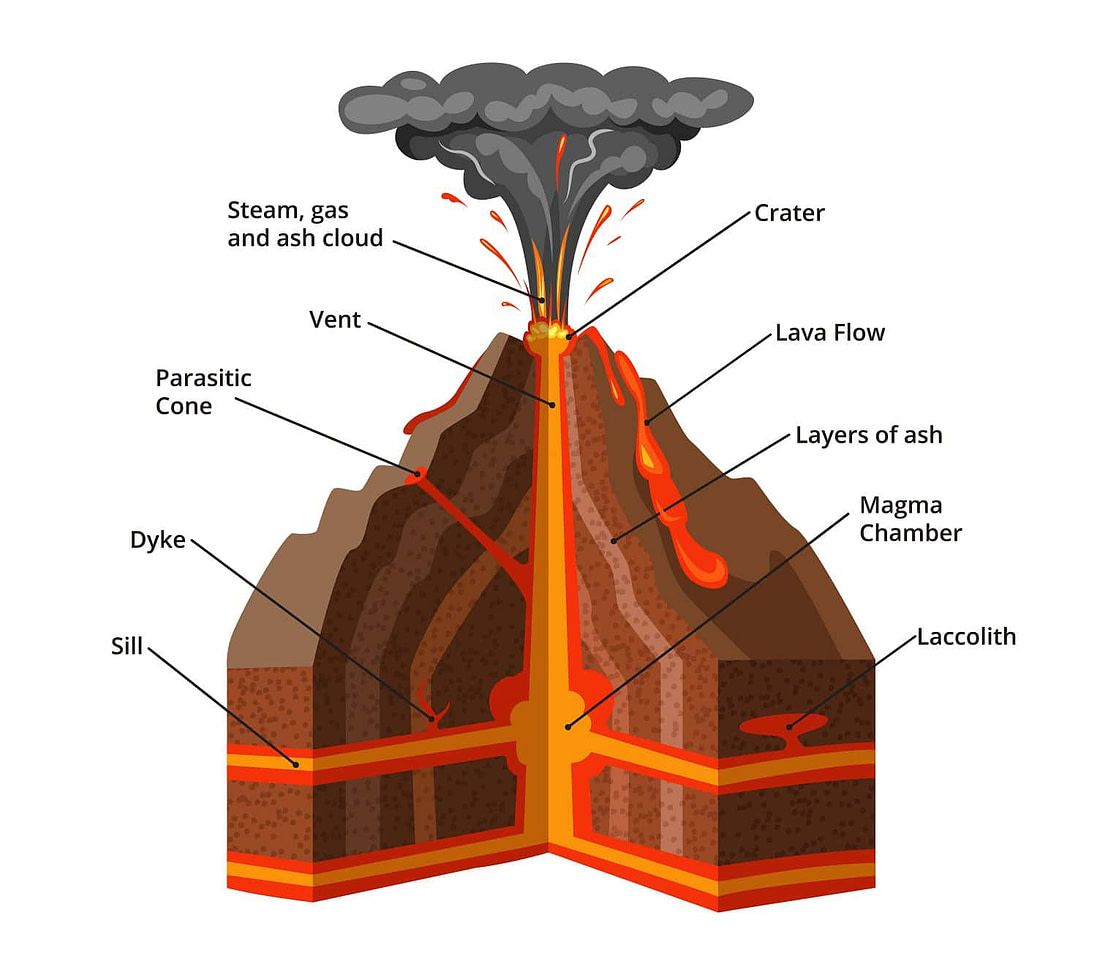
Unlike most great mountains, Kilimanjaro is not part of a mountain range. It is a massive stratovolcano rising abruptly from savannah and farmland, visible from over 100 km away on clear days.
Geography & Volcanic Structure

4
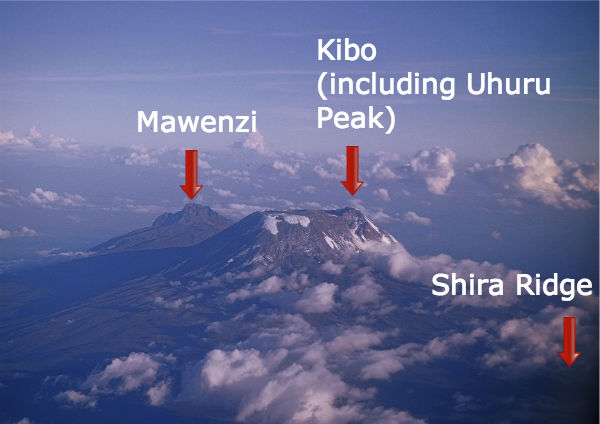
Mount Kilimanjaro consists of three distinct volcanic cones:
- Kibo – The highest and youngest cone; home to Uhuru Peak
- Mawenzi – Rugged, eroded, technical climbing peak
- Shira – The oldest cone, now a high-altitude plateau
Kibo is dormant, not extinct, with fumaroles still visible near the crater. Mawenzi and Shira are extinct.
Ecological Zones of Mount Kilimanjaro


4
One of Kilimanjaro’s most remarkable features is its five ecological zones, experienced sequentially during ascent:
- Cultivated Zone (800–1,800 m)
Coffee, bananas, and villages of the Chagga people - Rainforest Zone (1,800–2,800 m)
Dense forest with colobus monkeys and rich birdlife - Heather & Moorland (2,800–4,000 m)
Giant lobelias and senecios - Alpine Desert (4,000–5,000 m)
Harsh, arid, dramatic volcanic terrain - Arctic Zone (5,000 m+)
Ice fields, glaciers, and extreme cold
This vertical diversity makes Kilimanjaro one of the most ecologically varied mountains on Earth.
Wildlife in Mount Kilimanjaro National Park


4
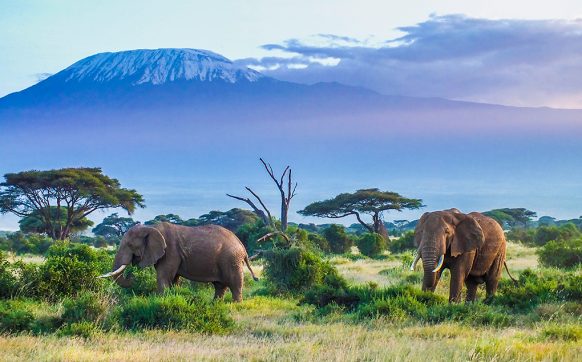
Although not a classic safari destination, Kilimanjaro supports surprising biodiversity, particularly in its lower forests:
Mammals
- Forest elephants
- Cape buffalo
- Bushbuck and duiker
- Blue monkeys and black-and-white colobus monkeys
Birds
- Hartlaub’s turaco
- Silvery-cheeked hornbill
- Alpine chat
- Malachite sunbird
Large predators are rare within the park itself but occur in surrounding ecosystems.
Trekking Routes on Mount Kilimanjaro


4
All climbs on Kilimanjaro are treks, not technical climbs, though altitude is a serious challenge.
Major Routes
- Machame Route
Scenic, excellent acclimatization; very popular - Marangu Route
Only route with hut accommodation; shorter, steeper - Lemosho Route
Long, scenic, high success rates - Rongai Route
Drier, quieter, approaches from the north - Northern Circuit Route
Longest route; best acclimatization profile
Summit success is strongly correlated with route length and acclimatization time, not fitness alone.
Climbing Mount Kilimanjaro is far more achievable—and far more rewarding—when led by expert guides who understand the mountain’s terrain, weather, and acclimatization requirements. Consider Kambu Campers, a Nairobi-based tour operator known for its specialization in camping safaris, which has expanded into Tanzania to offer custom Kilimanjaro climbing trips supported by experienced local guides and strong on-the-ground logistics.
Altitude & Acclimatization
Altitude sickness is the primary risk on Kilimanjaro. Symptoms may include headache, nausea, dizziness, and fatigue.
Best practices:
- Choose routes of 7–9 days
- “Climb high, sleep low”
- Maintain slow ascent (“pole pole”)
- Avoid rapid itineraries
Emergency descent protocols are well established, and guides are trained in altitude response.
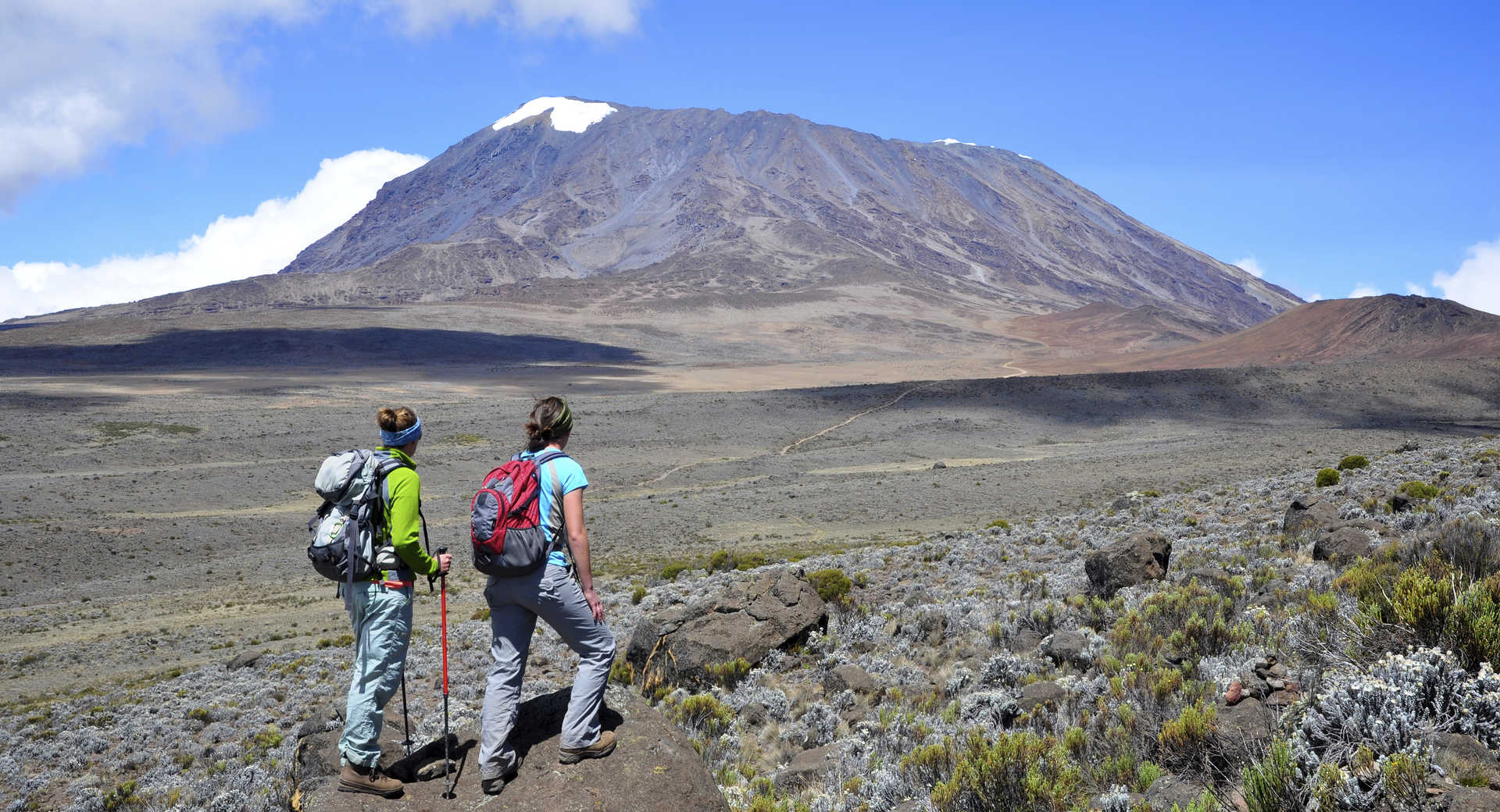
Best Time to Visit Mount Kilimanjaro


4
Dry Seasons (Best)
- January–March: Quieter, colder nights, occasional snow
- June–October: Peak season, stable weather, busy trails
Wet Seasons
- April–May: Long rains; fewer climbers, muddy trails
- November: Short rains, variable conditions
Kilimanjaro can be climbed year-round, but weather directly affects comfort and safety.
Cultural Context: The Chagga People

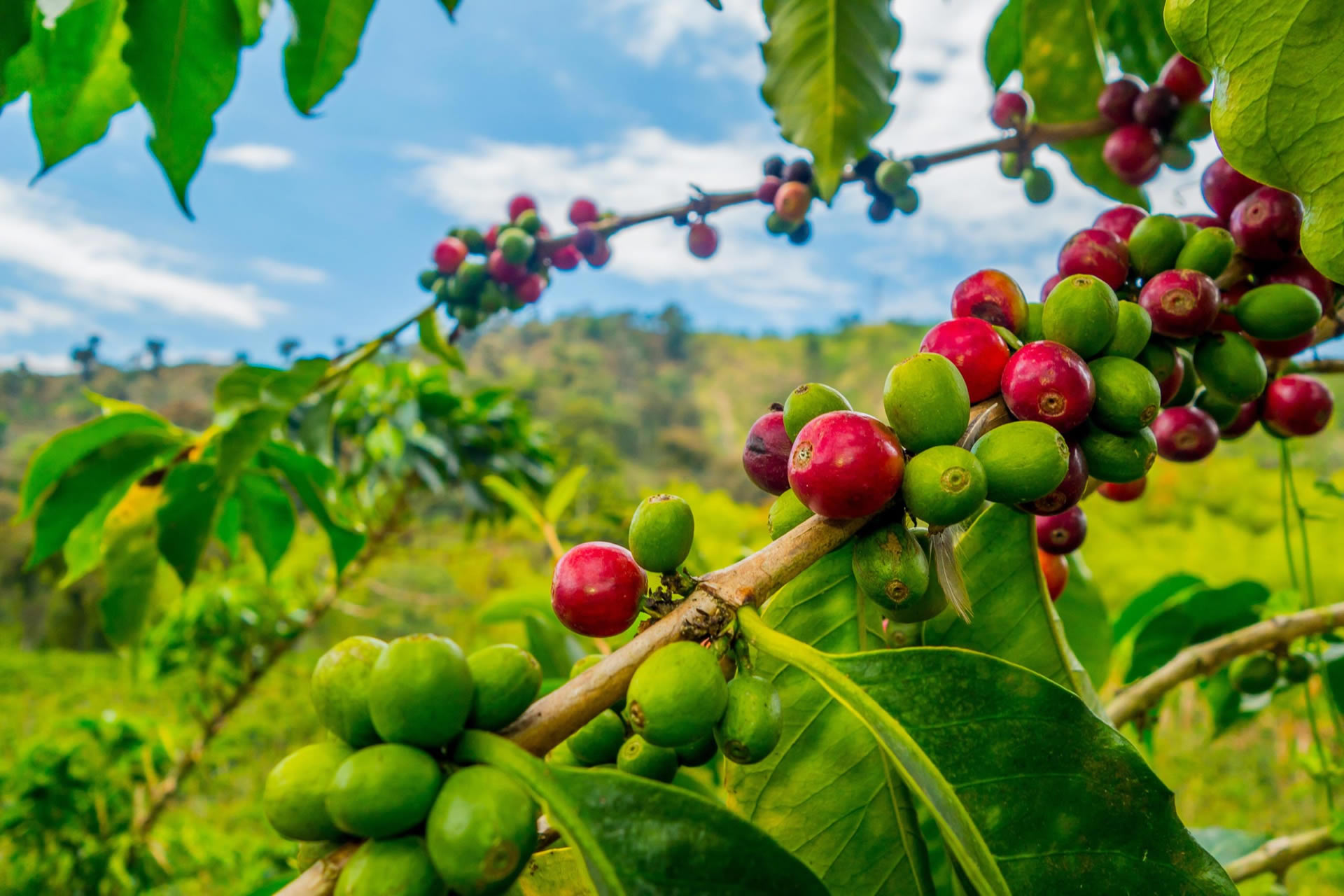

The slopes of Kilimanjaro are home to the Chagga people, whose sophisticated irrigation systems and coffee farming have shaped the mountain’s lower landscapes for centuries.
Many climbs are supported by Chagga guides and porters, making local livelihoods closely tied to sustainable tourism.
Conservation & Climate Change
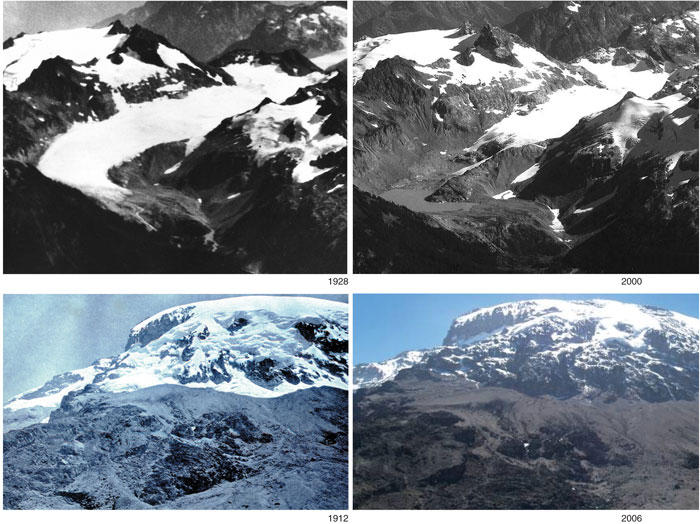

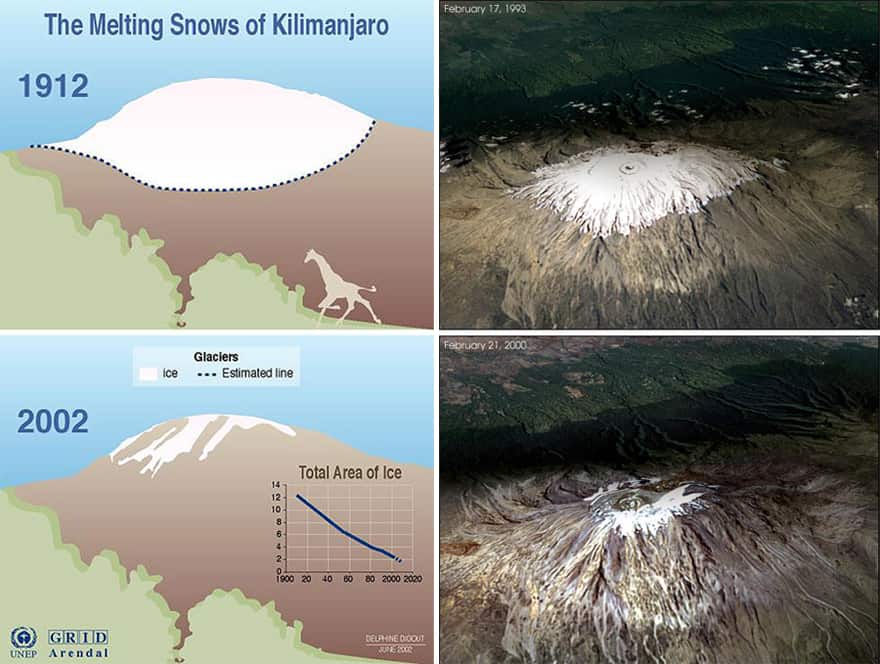
Mount Kilimanjaro’s glaciers have shrunk by over 80% since the early 20th century. The retreat is driven primarily by:
- Rising temperatures
- Reduced cloud cover
- Changes in regional moisture cycles
The park plays a critical role in watershed protection, biodiversity conservation, and climate research in East Africa.
Park Fees & Regulations
- Entry fees are charged per day
- Mandatory licensed guide and porter support
- No independent trekking allowed
- Strict waste-management and conservation rules
Fees contribute directly to park management and community benefits.
Getting to Mount Kilimanjaro National Park


Primary access points:
- Kilimanjaro International Airport
- Towns of Moshi and Arusha
Most trekking routes begin from designated park gates around the mountain.
Why Mount Kilimanjaro National Park Matters
Mount Kilimanjaro National Park is far more than a summit challenge. It is:
- A living laboratory of climate change
- One of Africa’s most important water towers
- A cultural landscape shaped by human–nature coexistence
- A global symbol of endurance and aspiration
Whether viewed from the plains or climbed step by step to Uhuru Peak, Kilimanjaro remains one of the world’s most extraordinary protected areas—ecologically, culturally, and emotionally unmatched.