
Climbing Mount Kilimanjaro is one of the world’s great trekking achievements. At 5,895 m (19,341 ft), Kilimanjaro is the highest mountain in Africa and the highest free-standing mountain on Earth. While it requires no technical climbing skills, it is a serious high-altitude trek where preparation, pacing, and route choice determine success far more than physical strength alone.
This guide covers every essential aspect of climbing Kilimanjaro—from planning and routes to acclimatization, safety, logistics, and on-the-ground realities—based on how the mountain is actually climbed.
1. Where Kilimanjaro Is and Why It’s Unique
Mount Kilimanjaro National Park lies in northern Tanzania near the Kenya–Tanzania border. Unlike mountain ranges such as the Himalayas or Andes, Kilimanjaro rises in isolation from surrounding plains, creating dramatic altitude gain over a short horizontal distance.
Volcanic Structure
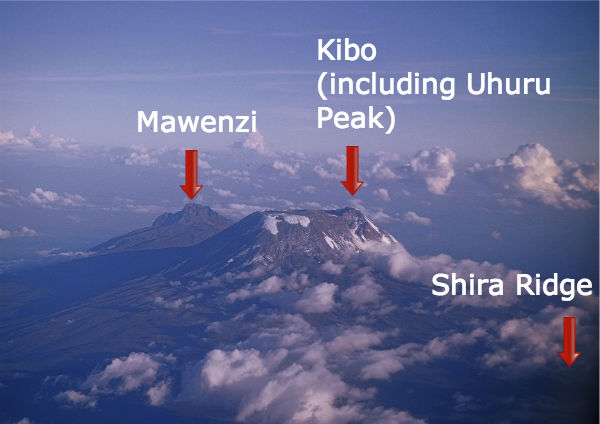

Kilimanjaro consists of three volcanic cones:
- Kibo – Dormant; hosts the summit
- Mawenzi – Rugged and technical (not part of standard treks)
- Shira – Collapsed, forming a high plateau
All standard climbs aim for Uhuru Peak, located on Kibo’s crater rim.
2. Kilimanjaro’s Ecological Zones (What You Walk Through)
One of the mountain’s defining features is its rapid transition through five ecological zones:
- Cultivated Zone (800–1,800 m) – Coffee farms and villages
- Rainforest (1,800–2,800 m) – Dense, humid forest with monkeys and birds
- Heather & Moorland (2,800–4,000 m) – Giant lobelias and senecios
- Alpine Desert (4,000–5,000 m) – Cold, arid, volcanic terrain
- Arctic Zone (5,000 m+) – Ice fields, glaciers, extreme cold
This vertical diversity is experienced over just a few days—one reason altitude illness is such a critical factor.
3. Kilimanjaro Climbing Routes Explained


4
There are seven recognized ascent routes. Choosing the right one is the most important decision you’ll make.
Major Routes (Overview)
- Lemosho Route
Best all-round option; gradual ascent, excellent acclimatization, high success rates. - Northern Circuit Route
Longest and quietest route; best acclimatization profile and summit probability. - Machame Route
Very scenic; good acclimatization if done in 7–8 days; busy. - Marangu Route
Only route with huts; shorter itineraries mean lower success unless extra days are added. - Rongai Route
Drier, quieter approach from the north; good in shoulder seasons. - Umbwe Route
Steep and direct; suited only to very experienced, acclimatized trekkers. - Shira Route
High starting point; best for climbers already acclimatized.
Key principle: Longer routes (7–9 days) consistently outperform shorter ones in summit success.
4. Altitude & Acclimatization (The Real Challenge)
Altitude—not fitness—is the main reason climbers fail to reach the summit.
Common Symptoms
- Headache
- Nausea or loss of appetite
- Fatigue
- Dizziness
- Sleep disturbance
Best Practices
- Choose a longer itinerary
- Walk slowly (“pole pole”)
- Stay hydrated
- Follow “climb high, sleep low” days
- Descend immediately if symptoms worsen
All licensed guides carry altitude monitoring protocols and emergency descent plans.
5. Summit Day: What to Expect
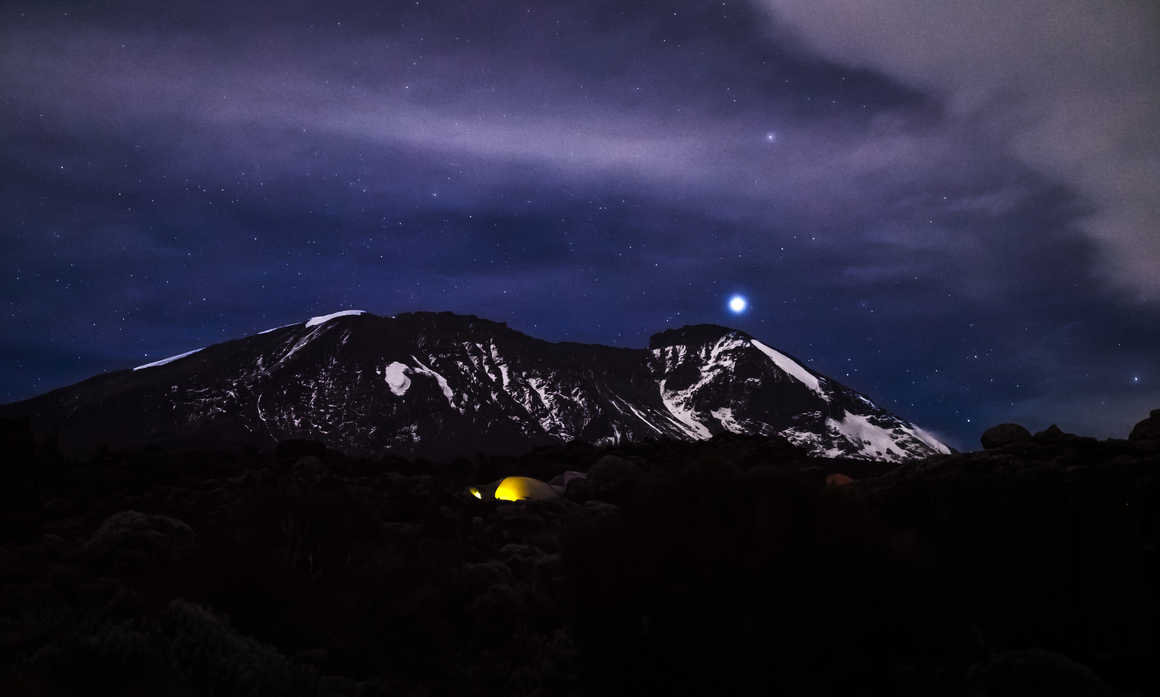
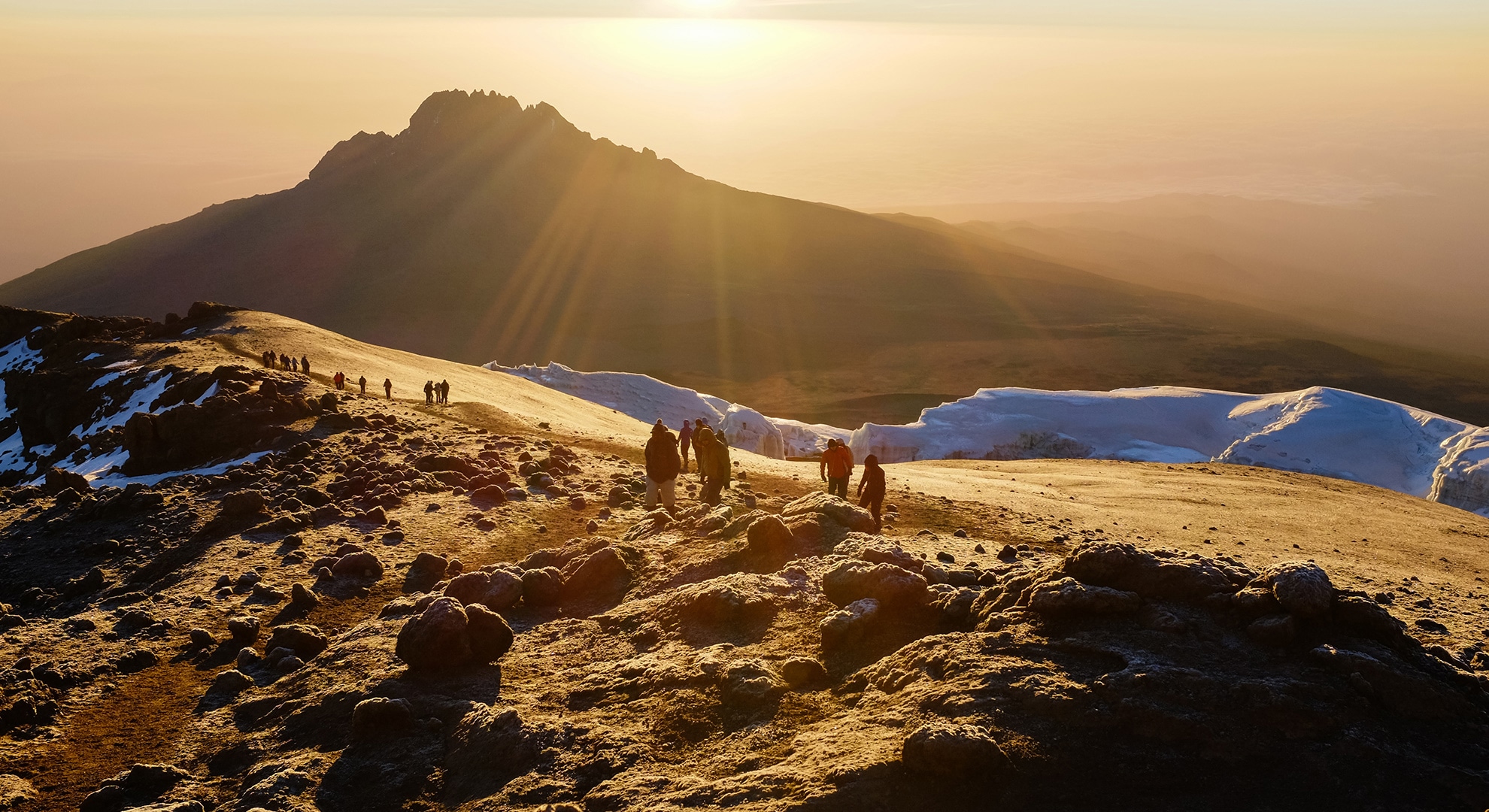
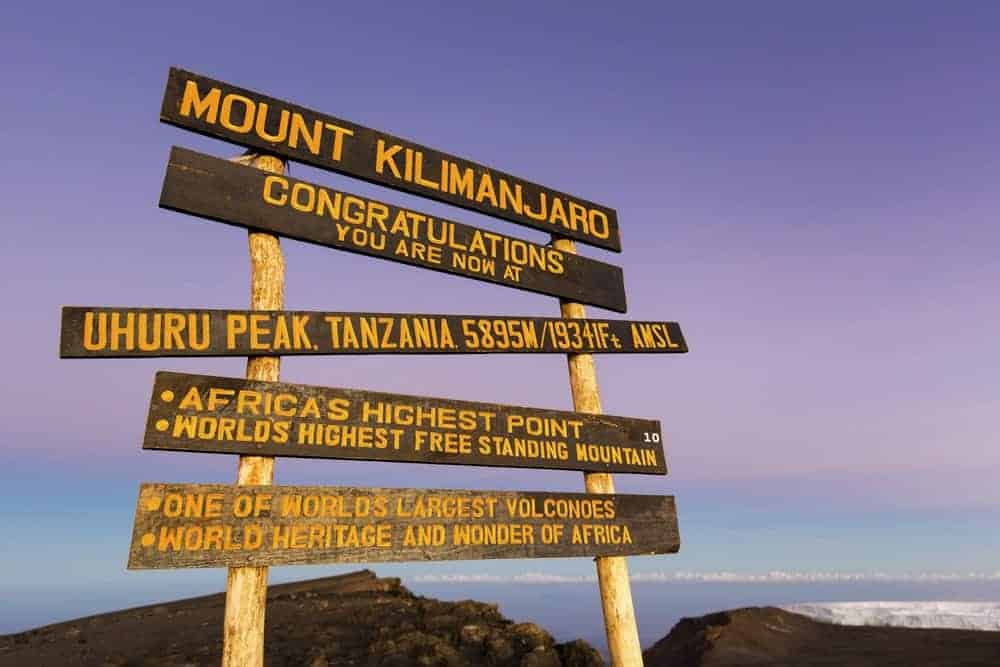
Summit attempts typically begin between midnight and 1:00 AM.
- Coldest temperatures of the entire climb
- Steep scree slopes
- Slow, rhythmic pace
- Most climbers reach Stella Point at sunrise
- Final push to Uhuru Peak along the crater rim
Summit day is physically and mentally demanding, but short in distance compared to the rest of the trek.
6. Physical Preparation: What You Actually Need
You do not need mountaineering skills, but you do need:
- Strong cardiovascular endurance
- Ability to walk 6–8 hours daily for consecutive days
- Mental resilience
Recommended training:
- Hiking with elevation gain
- Stair climbing
- Long walks with a loaded backpack
- Aerobic conditioning (running, cycling, swimming)
7. Gear & Clothing Essentials

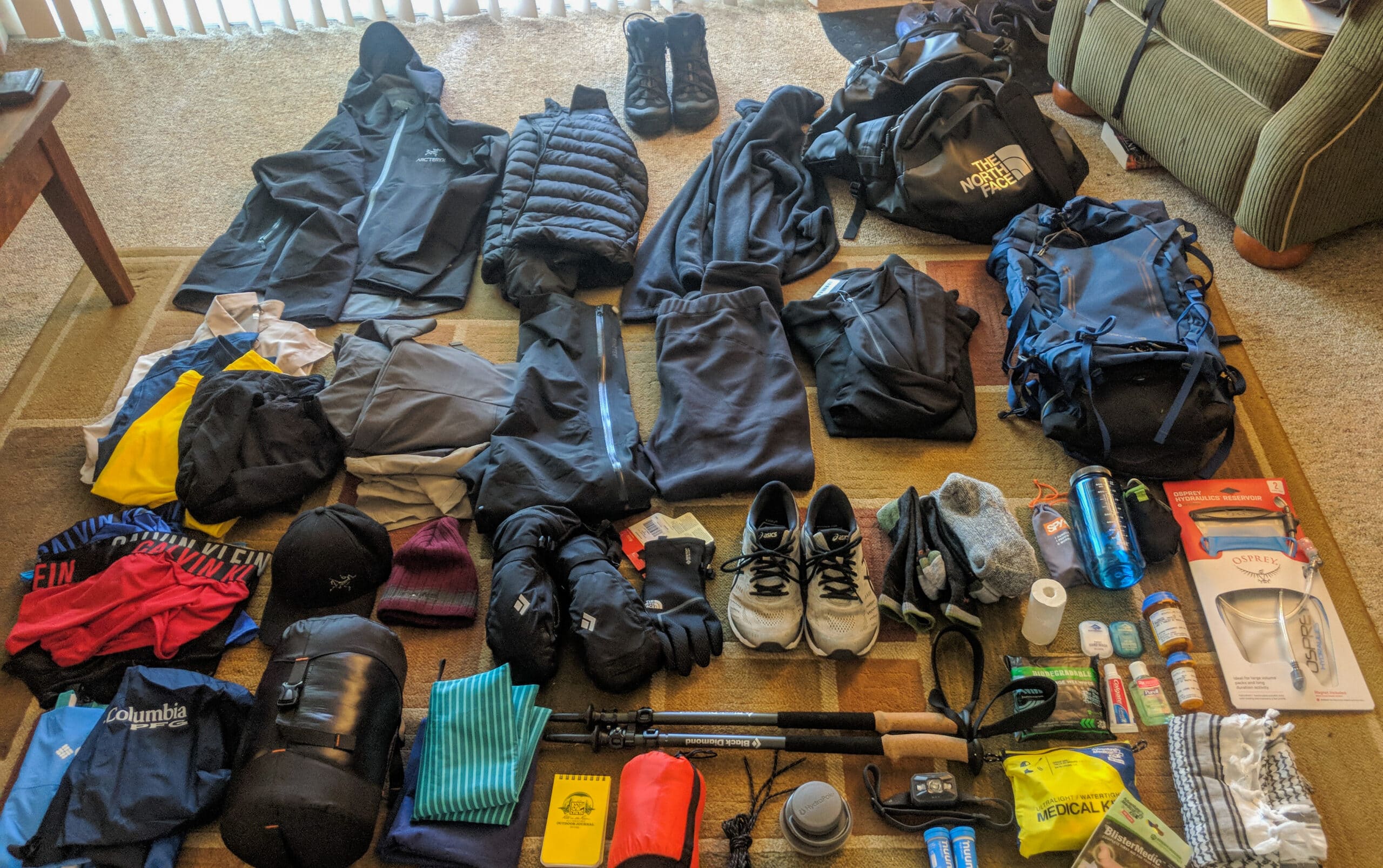

Core Gear Categories
- Layered clothing system (base, insulation, shell)
- Insulated down jacket (summit night)
- Waterproof jacket and pants
- Proper trekking boots (broken in)
- Sleeping bag rated to –10°C to –15°C
- Trekking poles
- Headlamp with spare batteries
Gear quality matters more on summit night than anywhere else.
8. Guides, Porters & Regulations
Independent climbing is not permitted.
Rules require:
- Licensed operator
- Registered guide
- Support crew (porters and cook)
Your climb directly supports local livelihoods. Ethical operators ensure:
- Fair porter wages
- Proper load limits
- Adequate food and shelter for crew
9. Best Time to Climb Kilimanjaro
Optimal Seasons
- January–March: Fewer crowds, colder nights, possible snow
- June–October: Most stable weather, busiest period
Rainy Periods
- April–May (long rains)
- November (short rains)
Kilimanjaro is climbable year-round, but comfort and visibility vary.
10. Costs & What You’re Paying For
Climb costs vary widely depending on:
- Route length
- Crew size
- Park fees
- Food and logistics quality
A well-run climb is not cheap—extremely low prices often indicate compromises in safety or porter welfare.
11. Wildlife & Culture
Lower forest zones host:
- Colobus monkeys
- Blue monkeys
- Forest birds
The mountain is culturally linked to the Chagga people, whose farms and irrigation systems shape the lower slopes.
12. Why People Fail — and How to Avoid It
Most unsuccessful climbs result from:
- Choosing routes that are too short
- Moving too fast
- Ignoring early altitude symptoms
The strongest predictor of success is time spent acclimatizing, not age or fitness.
Final Takeaway
Climbing Mount Kilimanjaro is achievable for well-prepared trekkers who respect altitude, choose the right route, and allow sufficient time. Done properly, it is not just a summit challenge but a journey through multiple climates, ecosystems, and one of Africa’s most extraordinary landscapes.