
A clear, first-time guide for new climbers and visitors
Mount Kilimanjaro is Africa’s highest mountain and one of the most recognizable natural landmarks on Earth. Rising to 5,895 metres (19,341 feet) above sea level, it dominates the plains of northern Tanzania and can be seen from hundreds of kilometres away on clear days. For many people, Kilimanjaro represents their first experience with high-altitude trekking—and understanding the mountain before arriving is key to enjoying it safely and successfully.
What Makes Mount Kilimanjaro Unique
Kilimanjaro is the highest free-standing mountain in the world, meaning it rises independently rather than as part of a mountain range. Unlike peaks that require ropes or technical climbing, Kilimanjaro is climbed entirely by trekking, making it accessible to people without mountaineering experience.
The mountain is protected within Mount Kilimanjaro National Park, a UNESCO World Heritage Site recognised for both its ecological diversity and global significance.
The Structure of the Mountain
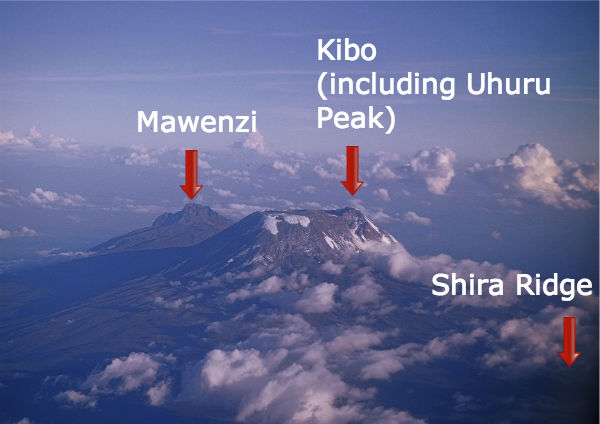


Mount Kilimanjaro is a volcanic massif made up of three cones:
- Kibo – the highest and youngest cone, where the summit lies
- Mawenzi – rugged and technical, not climbed on standard routes
- Shira – the oldest cone, now a broad plateau
All trekking routes ultimately aim for Uhuru Peak, the highest point in Africa.
A Mountain of Changing Worlds: Ecological Zones
One of Kilimanjaro’s most remarkable features is how quickly the environment changes as you climb. Over just a few days, trekkers pass through five distinct ecological zones:
- Cultivated & Farmland Zone – villages, coffee and banana farms
- Rainforest Zone – dense forest with monkeys, birds, and high humidity
- Heather & Moorland Zone – open landscapes with giant lobelias
- Alpine Desert Zone – dry, rocky, and cold with sparse vegetation
- Arctic Zone – snow, ice, and glaciers near the summit
This rapid transition is visually stunning—but it also explains why altitude adaptation is so important.
Is Kilimanjaro Hard to Climb?
Kilimanjaro is not technically difficult, but it is physically and physiologically demanding.
- No ropes or climbing skills are required
- Daily walking can last 5–8 hours
- Cold, wind, and altitude add stress
- Altitude sickness is the main challenge, not steep terrain
Many fit people fail to reach the summit, while others of average fitness succeed—largely depending on pace, acclimatization, and route choice.
Routes and How Climbers Go Up


4
There are several established trekking routes, each approaching the mountain from a different side. Some are more scenic, others quieter, and some offer better acclimatization profiles.
As a general rule:
- Longer routes = higher success rates
- Short itineraries increase altitude risk
- Most climbers spend 6–9 days on the mountain
All climbers must descend via designated routes, commonly the Mweka route.
Guides, Porters, and Regulations
Independent climbing is not allowed on Kilimanjaro.
Every climber must:
- Use a licensed operator
- Be accompanied by a certified guide
- Be supported by porters and a cook
This system supports local livelihoods and ensures safety. The mountain is culturally linked to the Chagga people, many of whom work as guides and porters on Kilimanjaro.
When People Climb Kilimanjaro
Kilimanjaro can be climbed year-round, but conditions vary.
- January–March: quieter, colder nights, possible snow
- June–October: driest weather, busiest season
- April–May: long rains, fewer climbers
- November: short rains, mixed conditions
There is no single “best” time—only trade-offs between weather, crowds, and visibility.
What Reaching the Summit Is Like
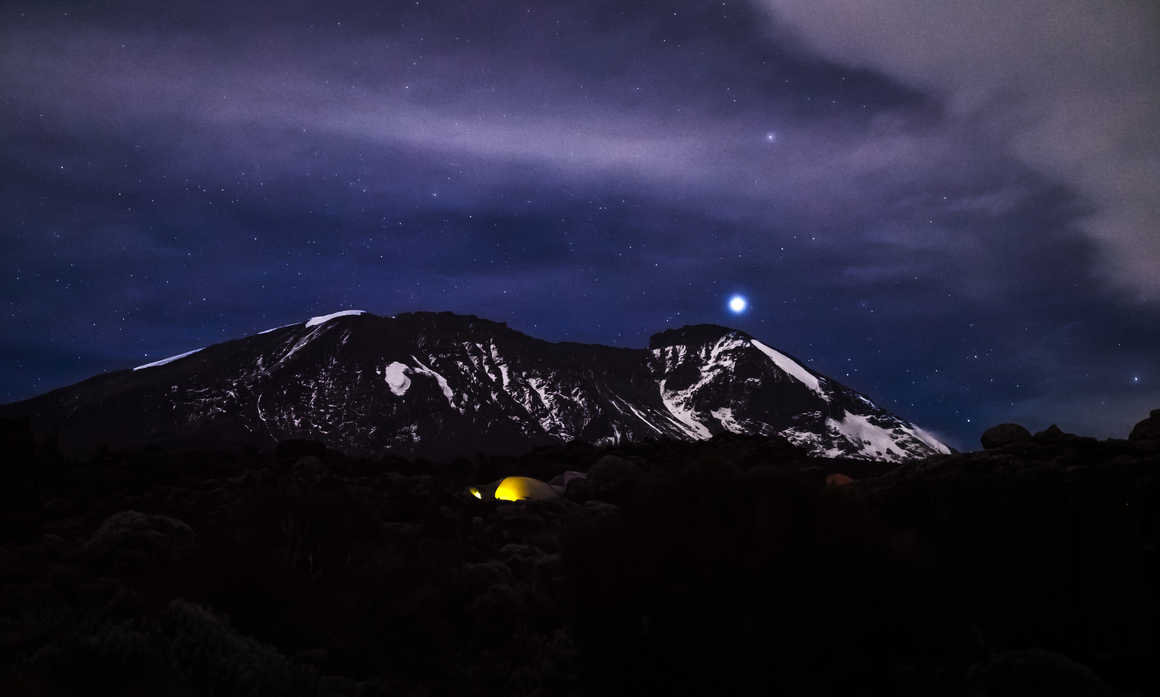
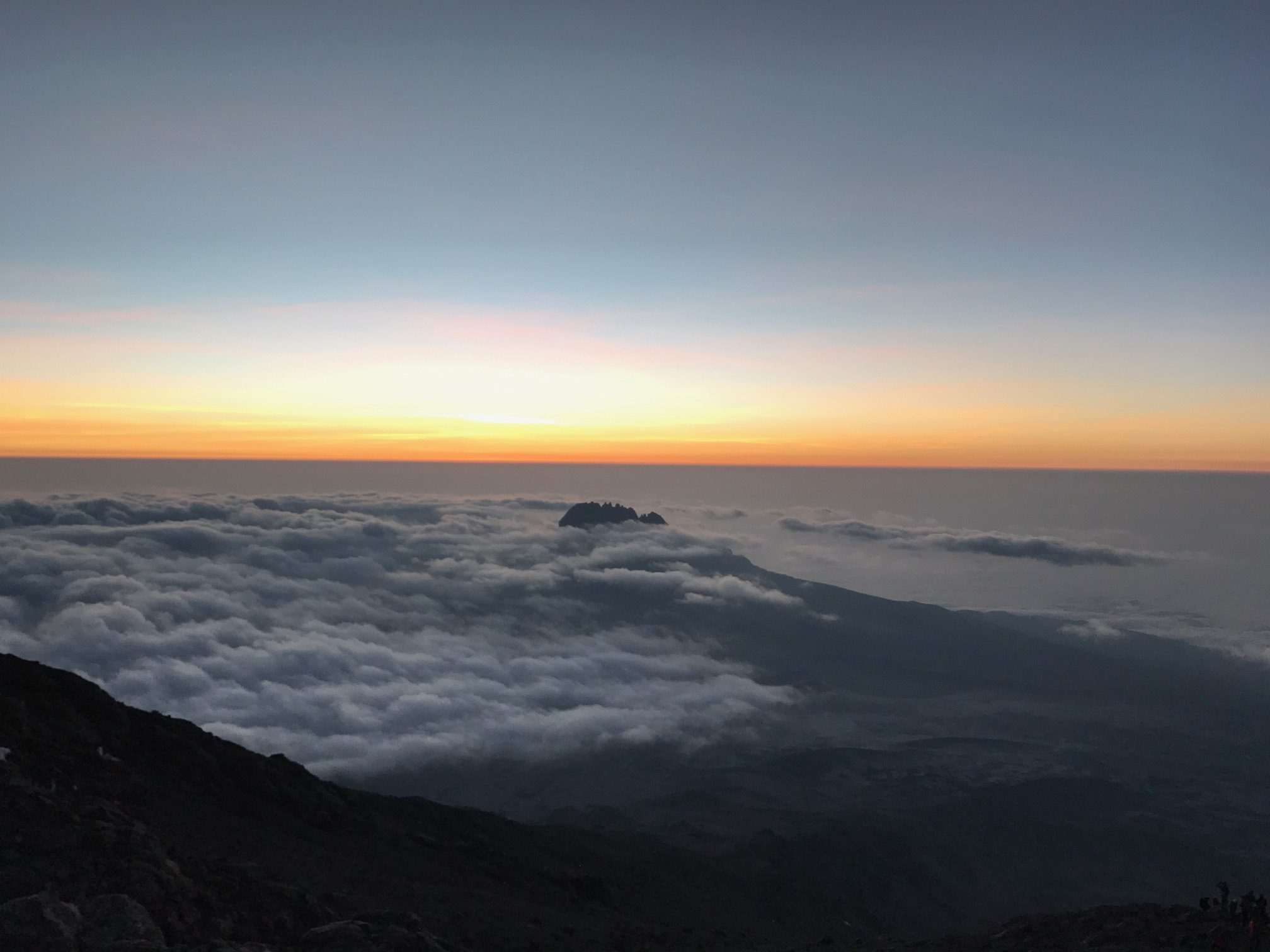
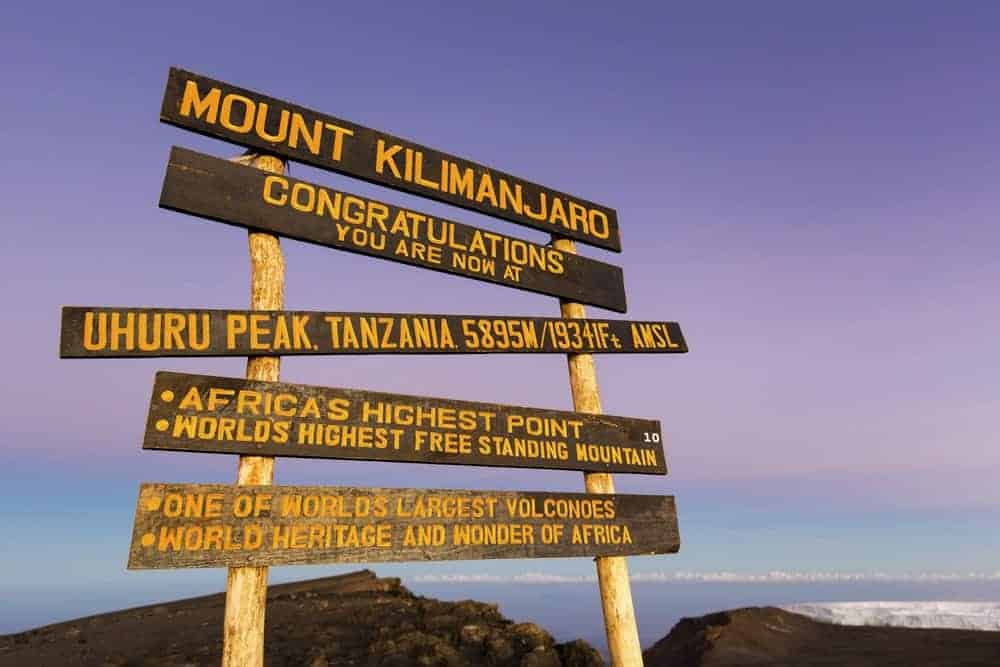
Summit day usually starts around midnight, with climbers walking slowly in darkness and cold. Most reach the crater rim at sunrise, then continue to Uhuru Peak. The moment is often emotional—not because of technical difficulty, but because of endurance, patience, and mental resilience.
A Final Perspective for First-Time Visitors
Mount Kilimanjaro is not just a mountain to climb—it is a journey through ecosystems, cultures, and personal limits. Success comes from respecting altitude, choosing enough time, and moving slowly, not from pushing hard.
For new climbers, Kilimanjaro is best approached as a high-altitude trek that rewards preparation and humility, rather than a race to the top.