
The people, practices, and living landscapes that shape the mountain
Mount Kilimanjaro is often described in terms of altitude, glaciers, and summits—but it is equally a cultural landscape, shaped over centuries by human settlement, agriculture, and knowledge systems. Long before it became an international climbing destination, Kilimanjaro was (and remains) a home, livelihood base, and cultural reference point for the communities living on its slopes.
Understanding this human context deepens the visitor experience and explains why Kilimanjaro’s conservation and climbing economy are so closely tied to local people.
The Chagga People: Kilimanjaro’s Indigenous Stewards
The southern and eastern slopes of Mount Kilimanjaro are traditionally home to the Chagga people, one of Tanzania’s largest and most economically active ethnic communities.
Who the Chagga are
- A highland farming society
- Historically organized into small chiefdoms
- Long-established on Kilimanjaro’s fertile slopes
For centuries, the Chagga adapted their livelihoods to the mountain’s:
- Volcanic soils
- Reliable water sources
- Altitudinal climate gradients
Today, many guides, porters, cooks, and operators working on Kilimanjaro come from Chagga families with deep generational ties to the mountain.
Traditional Farming Systems & Irrigation

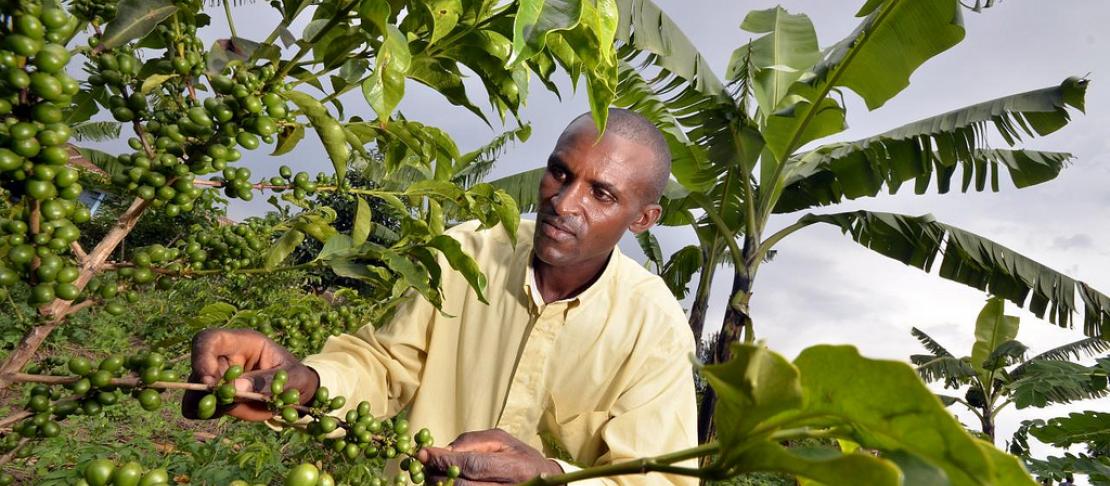

One of Kilimanjaro’s most remarkable cultural achievements is the Chagga irrigation and agroforestry system, developed long before modern infrastructure.
The Irrigation Furrows
- Gravity-fed channels diverting mountain streams
- Carefully maintained communal systems
- Still in use today in many villages
These furrows distribute water from forested upper slopes to farms below, supporting:
- Banana groves
- Coffee plantations
- Subsistence crops
Agroforestry Innovation
Chagga farms traditionally combine:
- Tall shade trees
- Banana plants
- Coffee shrubs
- Ground crops
This layered system:
- Reduces erosion
- Conserves moisture
- Maintains soil fertility
For visitors, this explains why the lower slopes of Kilimanjaro are so intensively cultivated and green, even in drier seasons.
Cultural Significance of the Mountain
Kilimanjaro is not just a physical landmark—it is a cultural reference point embedded in local identity.
Symbolic meanings
- A source of water and fertility
- A marker of home and ancestry
- A spiritual presence in oral traditions
Historically:
- The summit zones were viewed as remote and powerful
- Access to higher elevations was limited and respected
- Forests were protected through custom and belief
Even today, the mountain retains symbolic weight as:
- A national icon of Tanzania
- A source of pride and identity for surrounding communities
From Subsistence to Climbing Economy: A Modern Transition
While agriculture remains important, Kilimanjaro has become one of Tanzania’s most significant tourism-driven local economies.
How local communities participate
- Mountain guides
- Assistant guides
- Porters
- Cooks
- Drivers
- Gear rental staff
- Hotel and lodge workers
Entire household economies are often supported by seasonal climbing income, especially during peak months.
This transition has:
- Expanded employment opportunities
- Increased cash income in rural areas
- Created incentives for conservation
The Role of Local Communities in Kilimanjaro’s Success
Kilimanjaro’s climbing industry functions because:
- Local knowledge informs safe route management
- Generational experience supports guiding quality
- Community buy-in reinforces conservation rules
Most ethical operators invest in:
- Local training and certification
- Long-term employment relationships
- Community-based support systems
For visitors, choosing responsible operators directly influences:
- Wage stability
- Skills development
- Intergenerational livelihood continuity
Cultural Encounters for Visitors (What to Expect)
While Kilimanjaro climbs are not cultural tours, visitors often experience:
- Village life during transfers
- Agricultural landscapes on approach roads
- Interaction with local crews at camp
Some travelers extend their stay to include:
- Coffee farm visits
- Village walks
- Cultural explanation sessions
These experiences provide context—but should be approached respectfully, without treating communities as attractions.
Why Human Context Matters for Responsible Travel
Understanding Kilimanjaro’s cultural setting helps visitors:
- Appreciate where climbing fees and tips go
- Respect local labor and expertise
- Recognize the mountain as a lived-in landscape
- Avoid seeing Kilimanjaro as an empty wilderness
The mountain’s future depends on aligning conservation, tourism, and community well-being.
Key Takeaways for Visitors
- Kilimanjaro has been shaped by people for centuries
- The Chagga developed sophisticated farming and irrigation systems
- The mountain holds deep cultural and symbolic meaning
- Local communities are central to the climbing economy
- Ethical climbing supports real livelihoods
Bottom Line
Mount Kilimanjaro is not only Africa’s highest peak—it is a cultural mountain, sustained by the people who live around it and work on it every day. Climbers who understand this human context gain a richer experience and play a role in ensuring that Kilimanjaro remains both climbable and livable for generations to come.