What to bring, what to rent, and what actually matters on the mountain
On Mount Kilimanjaro, gear is not about comfort—it is about safety, energy conservation, and decision-making at altitude. Temperatures can swing from tropical heat to arctic cold within a single day, and poor gear choices amplify fatigue and altitude stress. This guide focuses on practical, proven equipment decisions that help first-time visitors prepare correctly without overpacking.
The Layering System (The Most Important Concept)
Rather than one heavy outfit, Kilimanjaro requires a layered clothing system that you can add to or remove as conditions change.
1) Base Layer (Moisture Management)
Purpose: Keep sweat off your skin to prevent chilling.
- Lightweight or midweight thermal tops and bottoms
- Synthetic or merino wool (avoid cotton)
Why it matters:
Wet cotton dramatically increases heat loss, especially in wind and cold.
2) Insulating Layers (Warmth)
Purpose: Trap body heat.
- Fleece jacket or lightweight insulated jacket (mid-layer)
- Down or synthetic insulated jacket (outer insulation)
These layers are added or removed frequently as you gain altitude or stop moving.
3) Shell Layer (Protection)
Purpose: Block wind, rain, and snow.
- Waterproof, windproof jacket (hard shell)
- Waterproof over-trousers
Even on clear days, wind exposure near the summit makes a shell essential.
Summit Night Clothing: Where Gear Matters Most
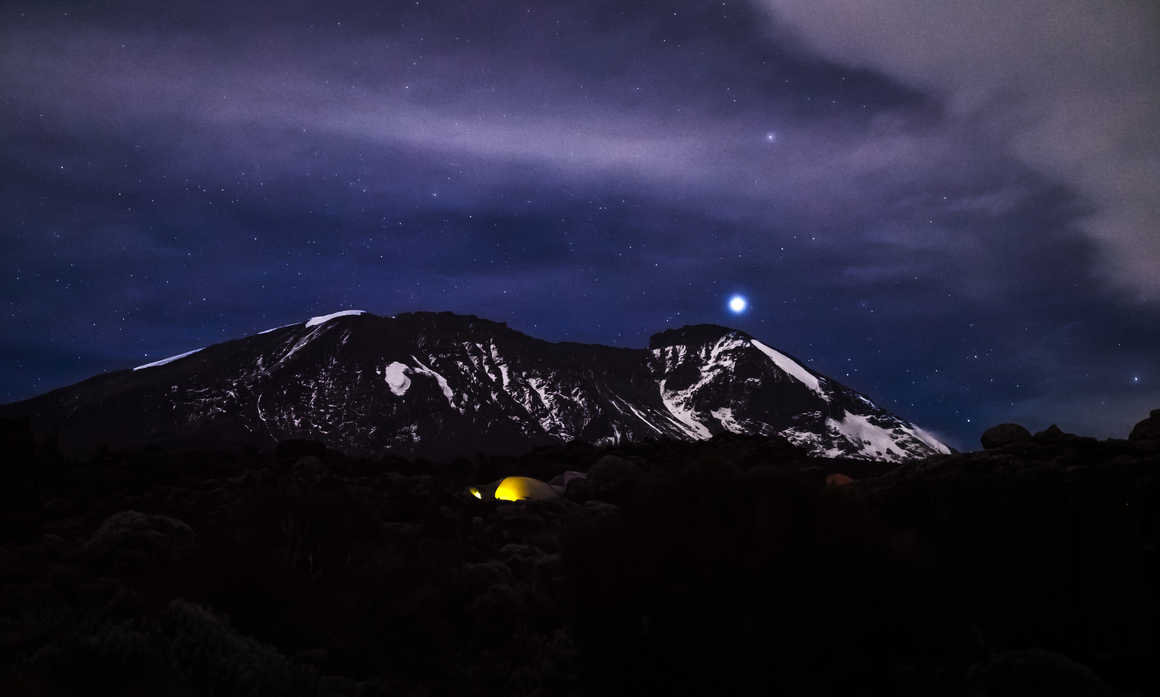

Summit night typically involves 6–8 hours of walking in darkness, extreme cold, and very low oxygen.
Essential Summit Clothing
- Heavy insulated down or synthetic jacket
- Thermal base layers (top and bottom)
- Insulated gloves (plus liner gloves)
- Warm hat + balaclava or neck gaiter
- Insulated trekking trousers or layered pants
- Thick, moisture-wicking socks
Key point:
Cold dramatically worsens fatigue and altitude symptoms. Many summit turnarounds are due to poor insulation, not lack of fitness.
Sleeping Bags: Temperature Ratings Matter
Your sleeping bag is critical for recovery, especially at high camps like Barafu or Kibo Hut.
Recommended Rating
- –10°C to –15°C (14°F to 5°F) comfort rating
This is not excessive. Night temperatures at high camps frequently drop well below freezing.
Down vs Synthetic
- Down: Lighter, warmer, compressible (must stay dry)
- Synthetic: Heavier, bulkier, but performs better if damp
A poor night’s sleep due to cold significantly reduces summit-day performance.
Footwear & Blister Prevention
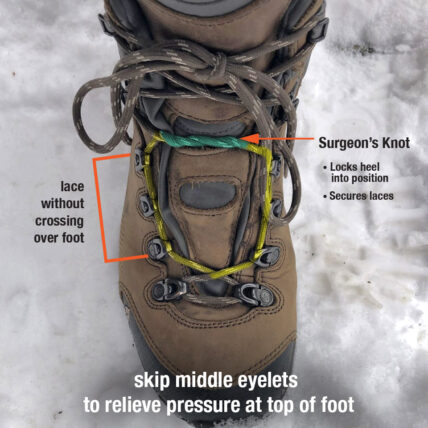
Trekking Boots
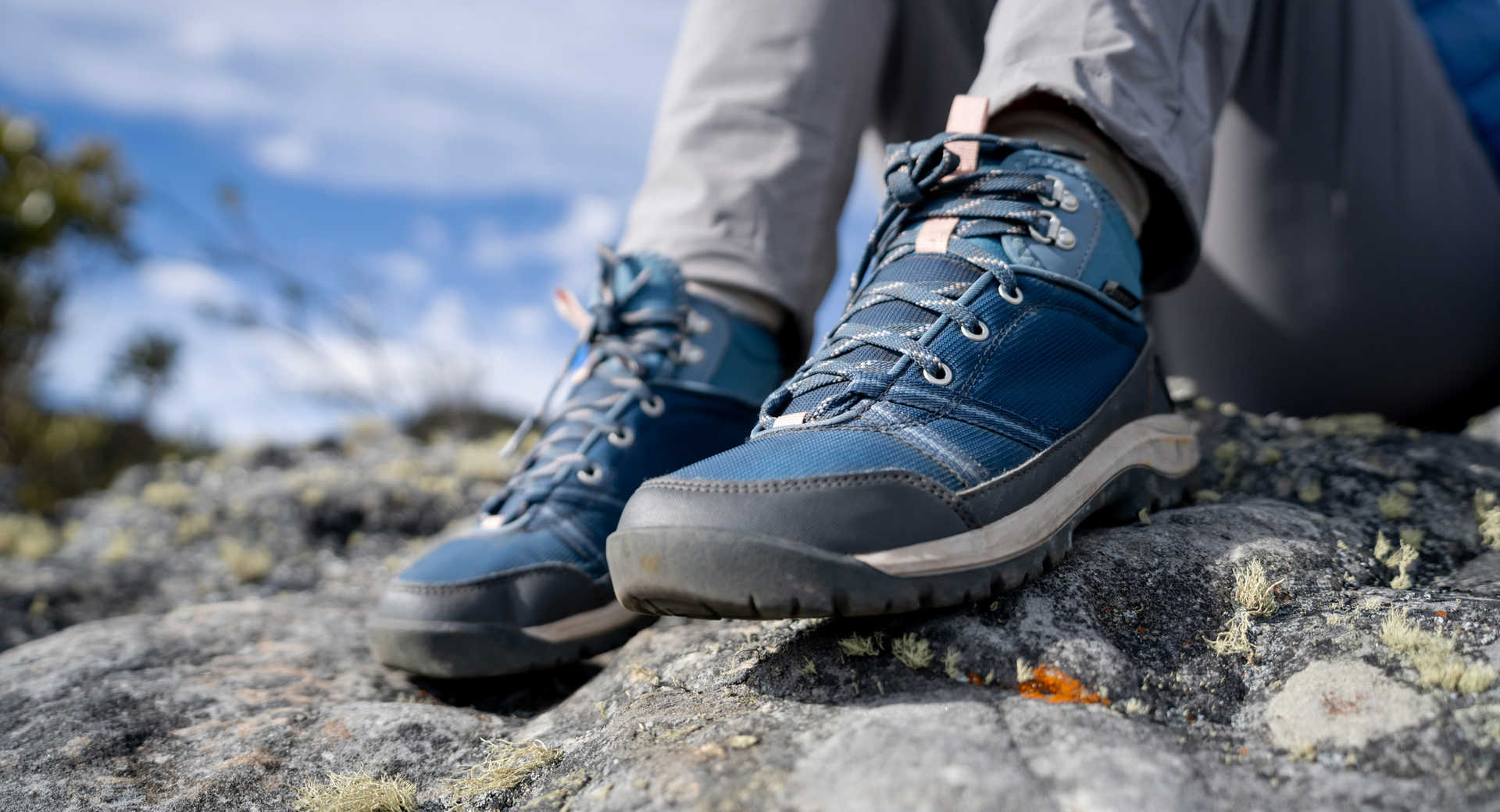
- Mid- or high-ankle hiking boots
- Waterproof and breathable
- Well broken in before arrival
You do not need mountaineering boots, but lightweight trainers are insufficient.
Socks & Blister Control
- Quality hiking socks (merino or synthetic)
- Bring multiple pairs
- Consider liner socks if blister-prone
Blister prevention tips
- Break boots in well before the climb
- Use proper lacing for descents
- Treat hot spots immediately (don’t wait)
Blisters can end a climb faster than fatigue.
Trekking Poles: Highly Recommended
Trekking poles are one of the most underappreciated tools on Kilimanjaro.
Why they help
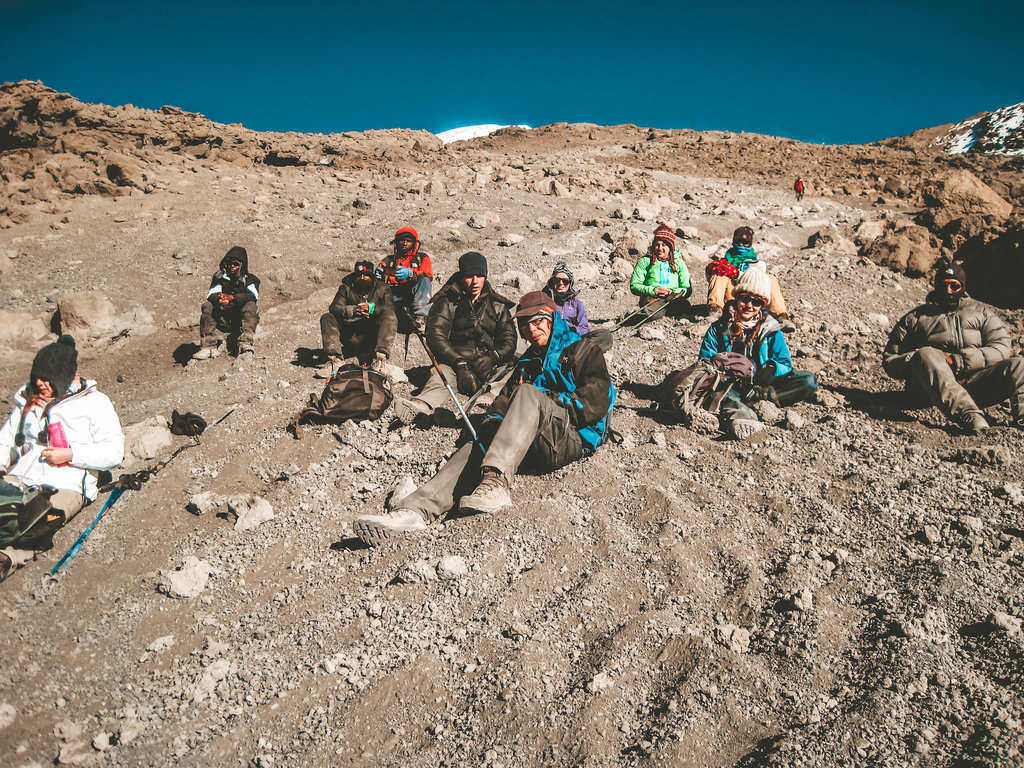
- Reduce knee strain on long descents
- Improve balance on scree and loose terrain
- Support steady pacing uphill
Adjustable poles are best, especially for summit night and descent.
What Can Be Rented Locally vs Brought
Most Kilimanjaro operators offer gear rental in Moshi or Arusha.
Commonly Rented Items
- Sleeping bags
- Down jackets
- Trekking poles
- Gaiters
What You Should Bring Yourself
- Boots (never rent footwear)
- Base layers
- Socks and underwear
- Gloves (fit and warmth are personal)
- Headlamp (with spare batteries)
Rental gear quality varies—inspect items carefully if renting.
Common Gear Mistakes First-Time Climbers Make
Avoid these frequent errors:
- Packing cotton clothing
- Bringing too many heavy items
- Underestimating summit-night cold
- Wearing new boots on the climb
- Relying on one pair of gloves
- Ignoring windproof layers
Another common mistake is packing too much. Porters carry your main bag, but excessive weight affects their welfare and your efficiency at camp.
Weight Limits & Porter Considerations
Most operators enforce a porter load limit (typically 15–20 kg) per climber bag.
As a visitor:
- Pack intentionally and efficiently
- Avoid unnecessary duplicates
- Use compression sacks
Responsible packing supports ethical porter practices.
Practical Gear Checklist Summary
You are properly equipped if you have:
- A complete layering system
- Serious insulation for summit night
- A warm-rated sleeping bag
- Broken-in boots
- Trekking poles
- Reliable gloves, hat, and headlamp
Everything else is secondary.
Key Takeaways for Visitors
- Layering matters more than brand names
- Summit night is where gear failures are exposed
- Warmth equals energy and safety
- Boots and sleeping bags deserve the most attention
- Simple, proven gear outperforms flashy equipment
Bottom Line
On Mount Kilimanjaro, good gear supports good decisions. When you are warm, dry, and properly equipped, you conserve energy, manage altitude better, and enjoy the experience rather than enduring it. Gear does not carry you to the summit—but the wrong gear can stop you from getting there.