
Acclimatization—not fitness—is the primary determinant of success on high-altitude African mountains. Mount Kilimanjaro, Mount Meru, and Mount Kenya are often combined or sequenced strategically to improve summit outcomes, particularly for Kilimanjaro.
This guide compares the three mountains specifically through the lens of altitude adaptation, showing when and why each works—and for whom.
1. Altitude Profiles at a Glance
| Mountain | Highest Point | Typical Climb Duration | Sleeping Altitude Profile | Acclimatization Value |
|---|---|---|---|---|
| Mount Kilimanjaro | 5,895 m (Uhuru Peak) | 5–9 days | Rapid gain, multiple high nights | Destination objective |
| Mount Meru | 4,566 m (Socialist Peak) | 3–4 days | Gradual, progressive | Excellent pre-acclimatization |
| Mount Kenya | 4,985 m (Point Lenana) | 3–5 days | Variable; steeper options | Strong but more technical/logistical |
2. Why Acclimatization Matters More on Kilimanjaro
Kilimanjaro rises from near sea level to almost 6,000 m in under a week on many itineraries. This creates:
- Large daily altitude gains
- Limited natural “buffer days” on short routes
- High incidence of acute mountain sickness (AMS)
As a result, pre-acclimatization or longer itineraries dramatically improve success.
3. Using Mount Meru for Kilimanjaro Acclimatization

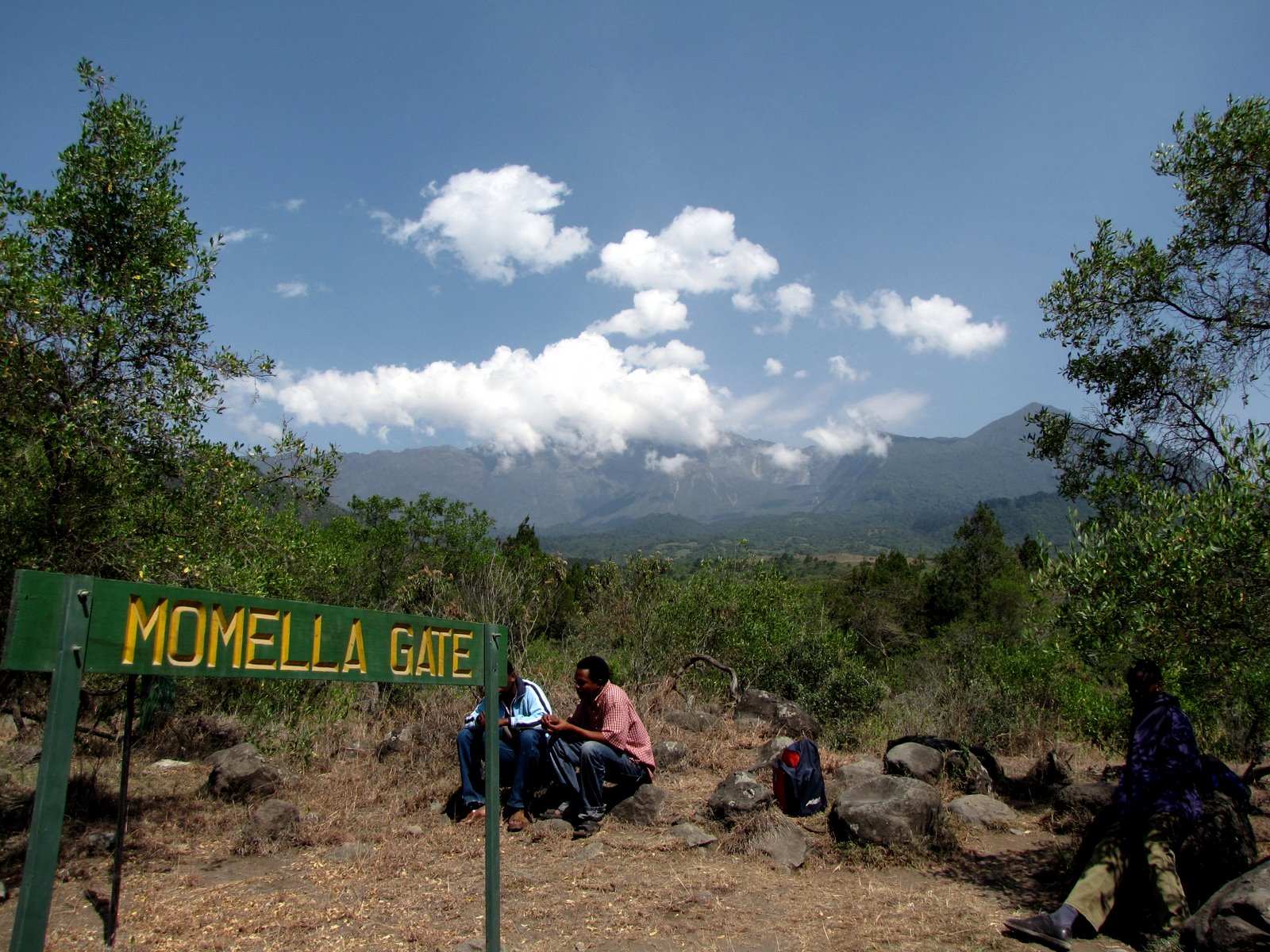

Why Meru Works So Well
Mount Meru is widely considered the best acclimatization mountain for Kilimanjaro.
Key advantages:
- Summit altitude of 4,566 m—high enough to stimulate strong physiological adaptation
- Gradual ascent over 3–4 days
- Mandatory acclimatization nights above 3,500 m
- Minimal technical difficulty (trekking only)
Typical Strategy
- Climb Meru (3–4 days)
- Descend and rest 1–2 days
- Transfer directly to Kilimanjaro
- Choose a shorter Kilimanjaro route (even 6–7 days) with improved success
This sequence significantly reduces AMS risk on Kilimanjaro and makes summit night more manageable.
Who Should Use Meru
- First-time high-altitude trekkers
- Climbers on short Kilimanjaro schedules
- Anyone with previous altitude sensitivity
4. Using Mount Kenya for Acclimatization

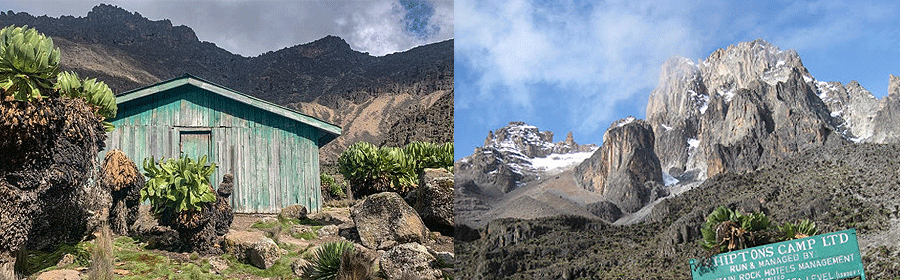

Mount Kenya offers powerful acclimatization but requires more planning.
Key Acclimatization Strengths
- Access to 4,200–4,800 m sleeping altitudes
- Strong “climb high, sleep low” potential
- Cooler nights similar to Kilimanjaro summit conditions
Limitations
- Logistics are more complex
- Weather can be less predictable
- Routes vary widely in difficulty
- Some itineraries include technical terrain (Batian/Nelion), unsuitable for pure acclimatization
Best Use Case
- Travelers already in Kenya
- Climbers targeting Point Lenana (4,985 m) specifically
- Those with 7–10 days total before Kilimanjaro
Mount Kenya is an excellent acclimatization tool, but less “plug-and-play” than Meru.
5. Direct Comparison: Which Strategy Is Best?
Scenario-Based Recommendations
You have limited time (≤10 days total):
→ Mount Meru + Kilimanjaro (shorter route)
You are already in Kenya:
→ Mount Kenya (Point Lenana) → Kilimanjaro
You want the simplest, most reliable approach:
→ Long Kilimanjaro route only (8–9 days)
You are altitude-sensitive or risk-averse:
→ Meru first, then Kilimanjaro
6. Physiological Perspective (Why These Mountains Help)
Acclimatization benefits come from:
- Increased red blood cell production
- Improved oxygen saturation efficiency
- Reduced ventilatory stress at altitude
Sleeping above 3,500–4,000 m—which Meru and Kenya both provide—creates lasting adaptation that carries over to Kilimanjaro if the gap between climbs is short.
7. Practical Planning Matrix
| Strategy | Total Days | Complexity | Summit Probability on Kilimanjaro |
|---|---|---|---|
| Kilimanjaro only (6 days) | 6 | Low | Moderate–Low |
| Kilimanjaro only (8–9 days) | 8–9 | Low | High |
| Meru + Kilimanjaro (7 days Kili) | 10–12 | Medium | Very High |
| Kenya + Kilimanjaro | 10–14 | Medium–High | High |
Final Guidance
- Mount Meru is the most efficient and reliable acclimatization climb for Kilimanjaro.
- Mount Kenya offers excellent altitude exposure but requires more logistical coordination.
- If time allows, pre-acclimatization consistently outperforms route choice alone.